
12.09.2025
What to do about dry hair? Common causes and proper care
Straw-like ends, dull lengths, and hair that feels “unruly” at best. Sounds familiar? Maybe you just have dry hair, which is one of the most common hair problems. The hair looks dull and lifeless and is also more prone to split ends and breakage. There are many possible causes for dry hair, ranging from frequent styling and environmental influences to hormonal changes.
The good news is, there are things you can do to make your hair look smooth and healthy again. We share our knowledge about the most common causes of dry hair and how you can restore its shine with the right care.
What makes your hair dry?
Dry hair is caused by damage to the hair structure. Healthy hair has a smooth outer cuticle layer that overlaps like roof tiles. It protects the inside of your hair and ensures that moisture remains locked in. If the cuticle layer is damaged by internal or external factors, the scales stand up. The hair loses moisture, looks dull, and feels rough.
We have compiled a list of the most common causes of damage to the cuticle layer, which lead to dry hair.
Dry hair due to styling and environmental factors
Heat is one of the biggest enemies of healthy hair. Blow-drying, straightening, or curling strips the hair fibres of the moisture they need to remain smooth and shiny. Without heat protection, regular styling can even weaken the hair structure permanently.
Environmental stressors can also dehydrate your hair, leaving it looking dull and lifeless. In summer, it is mainly UV rays, but also salt water, that dry out your hair. Dry hair in winter is caused by the cold outside and heated air inside—often accompanied by an itchy, dry scalp.
Dry hair due to improper care and overly aggressive products
Washing your hair too often or using hair care products with harsh ingredients strips your hair of its natural oils. The result: extremely dry, straw-like hair that looks dull and lifeless.
Chemical treatments such as bleaching or dyeing can also weaken the hair structure. Perhaps you have been annoyed by straw-like hair after bleaching or felt that your hair looked dry and brittle after dyeing.
Vulnerable hair types and dry scalp
Some hair types are naturally more prone to moisture loss. If you have curly or frizzy hair, its structure can cause it to dry out more easily. This is because the sebum (the natural oil produced by the scalp) has difficulty reaching the ends of the hair. This often results in dry ends and increased frizz.
It is precisely because of this natural layer of oil on the scalp that a dry scalp can also be the cause of dry hair. If too little sebum is produced or if it is repeatedly lost due to excessive hair washing, the lengths of the hair lack protective moisture. Typical accompanying symptoms are an itchy scalp, especially in winter, feelings of tightness, and flyaway hair due to dry heated air.
Dry hair due to age, nutritional deficiencies, or hormonal changes<
As we age, not only does our skin change, but our hair does too. The scalp produces less natural oil, which leads to dry hair more quickly in older age. It appears dull, breaks more easily, and often feels brittle.
During menopause in particular, many women find that their hair suddenly becomes straw-like, finer, or more unruly. Just like the rest of the body, hair and its susceptibility to dryness often change due to significant hormonal changes.
You should also take a close look at your diet if you suffer from dry hair. For example, if you are deficient in vitamins A and E or omega-3 fatty acids, this can easily manifest itself in straw-like hair.
Caring for dry hair – what do you need to keep in mind?
So, the question remains: what can you do about dry hair? The answer is: combat it with a combination of gentle everyday routines and targeted moisturizing products. Together, these can ensure that your hair becomes soft, smooth, and shiny again, instead of dull and brittle.
Home remedies for dry hair – these routines might help you
Sometimes even small changes in hair care can make a big difference:
- Don't wash too often: Washing your hair every day removes the natural oils from your scalp. Washing your hair 2-3 times a week is usually enough to keep it fresh without drying it out.
- Lukewarm instead of hot: Hot water not only dries out your skin, but also your hair. It is therefore better to wash your hair with lukewarm water to retain moisture.
- Dry gently: Instead of rubbing your hair dry with a towel after washing, it is better to pat it dry gently – preferably with a microfiber towel. This will prevent hair breakage and frizz.
- Trim your ends regularly: If you are prone to dry ends, you should go to your hairdresser every 6-8 weeks to make your hair less susceptible to split ends.
Moisture for your hair – find the right care products
For your hair to regenerate permanently, it needs targeted moisture care:
- Shampoo for dry hair: The best way to care for dry hair is to use a shampoo that moisturizes your hair without drying out your scalp.
- Conditioner and hair masks: Every time you wash your hair, you should use a suitable conditioner that has been specially developed for dry hair. Once or twice a week, we also recommend using a hair treatment for dry hair, which penetrates deep into the hair structure and rebuilds it.
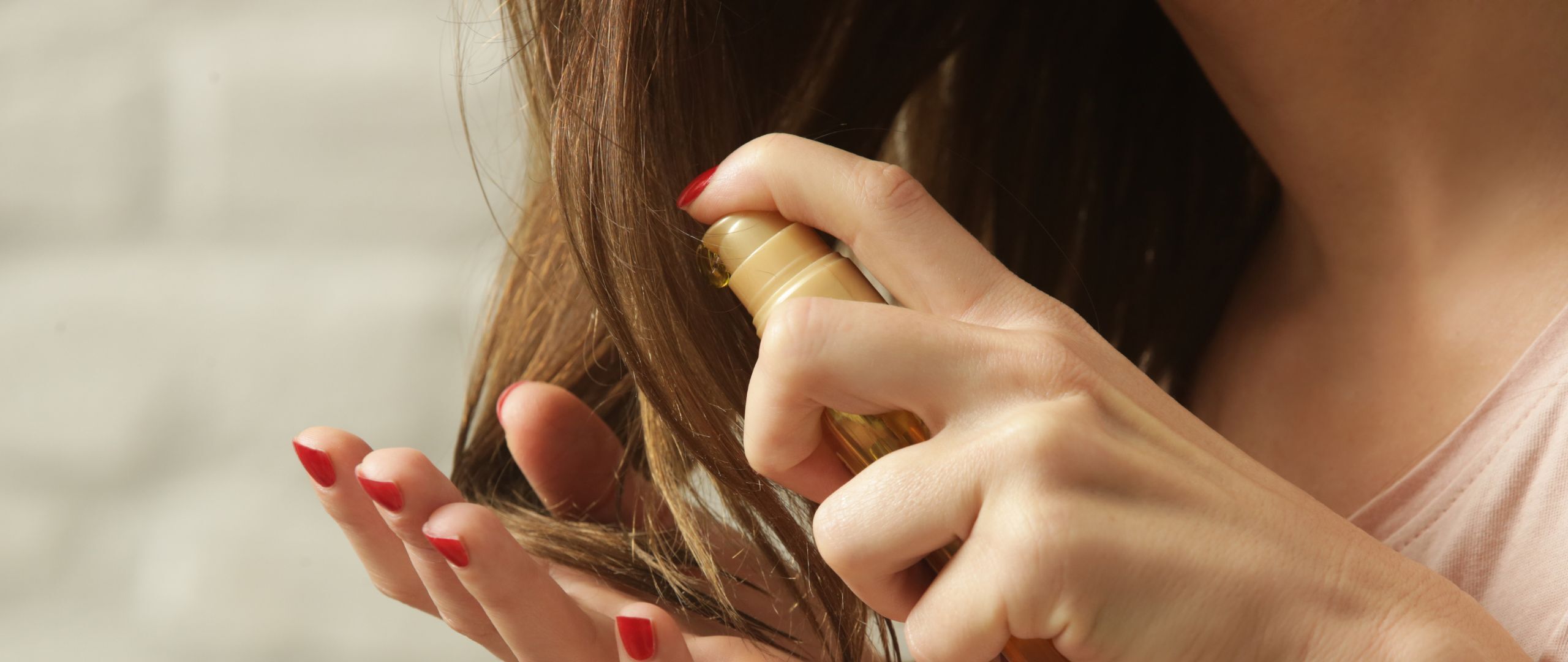
- Leave-in care and hair oil: Especially for extremely dry, straw-like hair, it is worth using a light leave-in product or a nourishing hair oil. They protect your ends and make the lengths supple again.
- Moisturizing care in winter: If dry heated air and cold weather are putting extra strain on your hair, use a hair mask for dry hair more often. It provides extra care and protects against frizz.
- The right care for curly hair: Because curls are particularly prone to drying out, it is especially important to care for them properly. It is best to care for your curly hair with shampoo, conditioner, and curling mousse specifically designed for curly hair.
- Heat protection: We can't say it often enough: heat dries out your hair. So do your hair a favor and use heat protection before you turn on the hair dryer, straightener, or curling iron.
What to do about dry hair? Your quick fix at a glance
- Don't wash your hair too hot or too often – this will preserve its natural protective layer.
- Dry and style gently – use a microfiber towel, heat protection, and moderate blow-drying to prevent additional moisture loss.
- Moisturizing shampoo & conditioner for dry hair – use products that moisturize your hair.
- Use regular hair treatments or hair masks – 1-2 times a week for intensive care.
- Leave-in care and hair oil - protects the ends and gives you smooth lengths.
- Have the seasons in mind – extra moisturizing care in winter, additional UV protection for your hair in summer.
- Healthy diet - help your hair regenerate by eating a healthy diet rich in vitamins and omega-3 fatty acids.


